
A guide to the Rina diet
Rina’s 90-day diet: rules, meal plan and recipes
The 90-day diet repeats four days: protein, starch, carbohydrate and vitamin. Find the rules and a meal plan for each day.
Take your calendar and meal ideas with you.



Understand the rotation
Four days, one repeating cycle.
Protein, starch, carbohydrate, vitamin. Choose a day below to see its food group and a sample menu.
Start with protein day
Main meals focus on a protein food alongside vegetables. Check sauces, coatings and side dishes against your chosen version.
Make room for pulses
Beans, lentils, chickpeas, rice and potatoes are common choices. Check the ingredients in stocks and ready-made sauces.
Plan a carbohydrate dish
This version uses dishes made without meat, eggs or dairy. Some versions include a moderate dessert in the evening.
Choose fruit and plant foods
The version described here includes vegetables and moderate amounts of raw nuts. Other versions may use different rules.
Progress in pictures
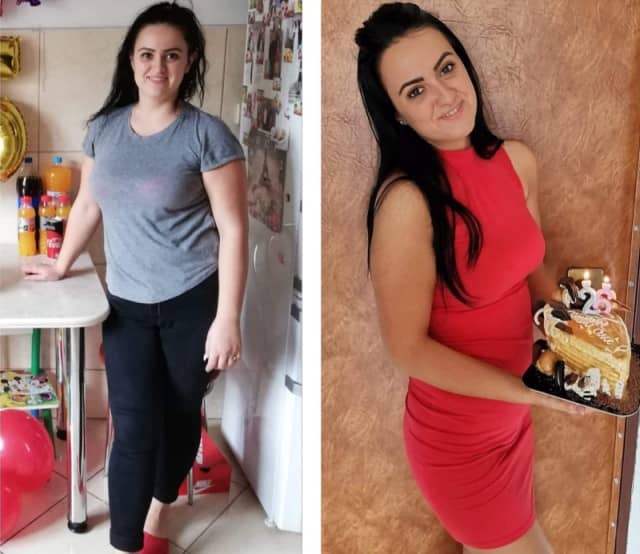
90-day diet: before and after

Keep track of your progress
Record your weight in the app and follow your progress through the 90 days.
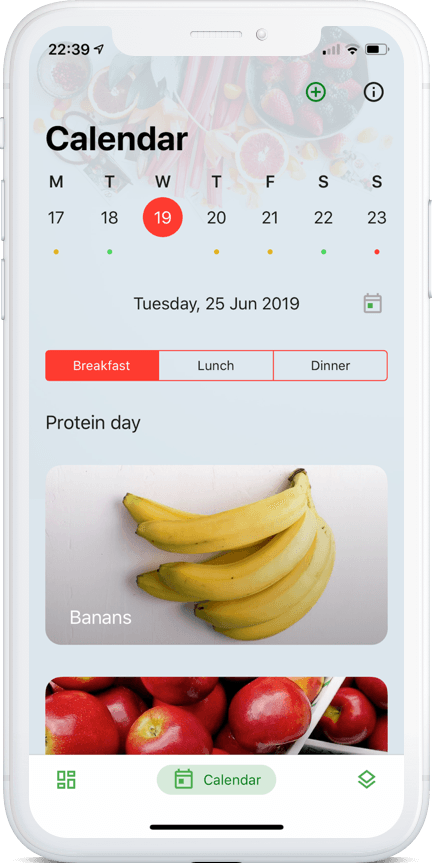
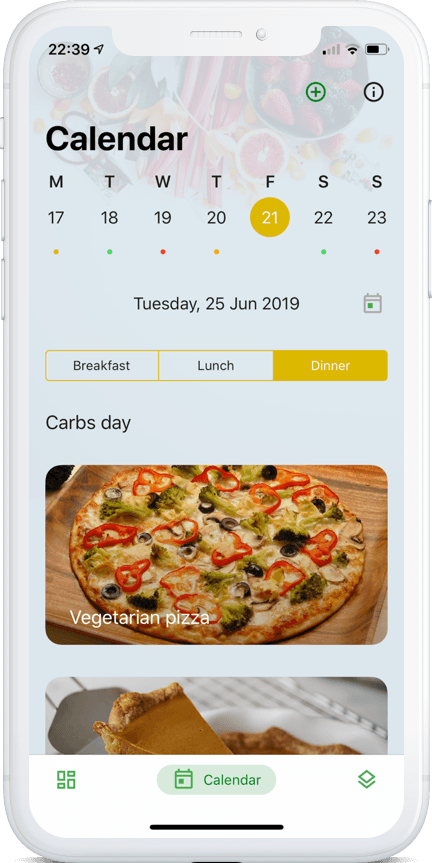
Original app screens. Appearance may vary by version.
Rina 90 Day Diet app
Keep the calendar
on your phone.
See which diet day comes next and find meal ideas in the same place. Already started? Use your actual start date.
- Follow the rotation with your diet calendar
- Plan meals with recipes and menus
- Record your weight over time
Available on Android, iPhone and Huawei. Store listings show current features and in-app purchases.
What to cook
Meal ideas for your next day.
Lemon chicken with salad
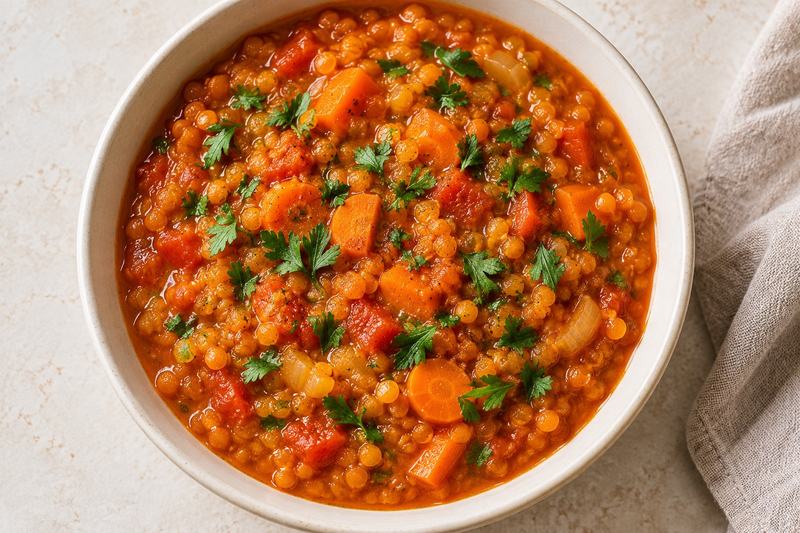
Red lentil stew

Pasta with tomato sauce
Food photographs are illustrative. Follow each recipe's ingredients and method.
The complete guide
Rina's 90-day diet: rules,
meal plan and calendar.
Start with the basics or jump to the topic you need. The full guide is here, including food choices, water days and the plan's limitations.
Rina's 90-day diet is a food-combining plan built around four types of day: protein, starch, carbohydrate and vitamin. The sequence repeats over 90 days. Some versions also include water days. The plan is often called the Rina diet.
This guide explains the rotation, food choices and a sample four-day menu. Use the recipes and calendar to plan meals around your start date. The diet does not guarantee a particular amount of weight loss; portions, activity and your health also matter.
How does Rina's diet work?
The first day focuses on protein foods, the second on starches and pulses, the third on carbohydrate dishes and the fourth on fruit and other plant foods. After vitamin day, the basic cycle starts again.
| Day | Focus | Examples |
|---|---|---|
| 1 | Protein | Meat, fish, eggs, dairy products, tofu |
| 2 | Starch | Rice, potatoes, beans, lentils, chickpeas, peas |
| 3 | Carbohydrate | Pasta, dairy-free vegetable pizza and other suitable dough-based dishes |
| 4 | Vitamin | Fruit, vegetables and moderate amounts of nuts |
- Day
- 1
- Focus
- Protein
- Examples
- Meat, fish, eggs, dairy products, tofu
- Day
- 2
- Focus
- Starch
- Examples
- Rice, potatoes, beans, lentils, chickpeas, peas
- Day
- 3
- Focus
- Carbohydrate
- Examples
- Pasta, dairy-free vegetable pizza and other suitable dough-based dishes
- Day
- 4
- Focus
- Vitamin
- Examples
- Fruit, vegetables and moderate amounts of nuts
These are labels used by the diet. Beans contain protein as well as carbohydrate, and fruit contains carbohydrate too. Grouping foods by day does not mean each food contains only one nutrient.
Energy balance remains relevant to weight loss. A clinical trial comparing food-combining and balanced diets with similar energy intake found no additional weight-loss benefit from separating foods. It examined food combining, rather than the complete Rina programme. Golay and colleagues
The main rules of the Rina diet plan
The rules at a glance
- Day order: protein → starch → carbohydrate → vitamin. Then repeat the cycle.
- Breakfast: fruit in the version described here, except on water day.
- Lunch and dinner: use the foods for that diet day.
- Portions: consider the amounts, including oils, sauces and extras.
Choose one consistent version before you start. Descriptions differ on some ingredients, portions and water days. Mixing instructions makes meal planning harder.
Follow the four-day sequence
Protein, starch, carbohydrate, vitamin: use the same order throughout your plan. Decide on the next few meals before shopping. If you include water days, keep the dates and subsequent sequence in one calendar.
Plan breakfast and the main meals
In the version described here, breakfast is fruit. Choose a seasonal fruit that fits your plan. The breakfast rule should not override an individual eating plan provided for your health needs.
Lunch and dinner follow the day's food group. Smaller evening portions are common in descriptions of the diet, but half a portion is not a universal calorie amount. Oils, sauces and extras also affect the meal.
Breakfast and meal intervals
In the version described here, breakfast commonly consists of two fruits of the same type, except on water day. This is a convention of the diet, rather than an identical portion for everyone: fruit sizes and individual requirements differ.
The schedule specifies at least two hours between meals and at least three hours between lunch and dinner. Use the intervals to organise meals. Adjust the general timetable to any individual eating plan or medication requirements you have.
Allowed foods still need sensible portions
Potatoes, pasta, nuts and desserts can fit particular days. Their quantities affect total intake.
If you eat at work, plan a packed meal or a suitable option nearby. Cooking enough for more than one meal can save time when it fits your chosen rules.
Preparing your first diet days
- Choose a start date and read the day sequence.
- Pick a dish for each day from the sample meal plan.
- Check the servings and make a shopping list.
- Enter your start date in the 90-day diet app to follow the calendar.
Protein day: foods and meal ideas
Protein day starts the cycle. Main meals commonly use meat, fish, eggs, a dairy food or tofu alongside vegetables. Roast chicken, baked fish or an omelette with vegetables are possible choices.
Check the whole dish. Breadcrumb coatings, sweet sauces and side dishes can introduce ingredients outside your chosen rules. For a plant-based option, tofu is an example of a protein food. Do not automatically classify quinoa or pulses as protein-day ingredients just because they contain protein.
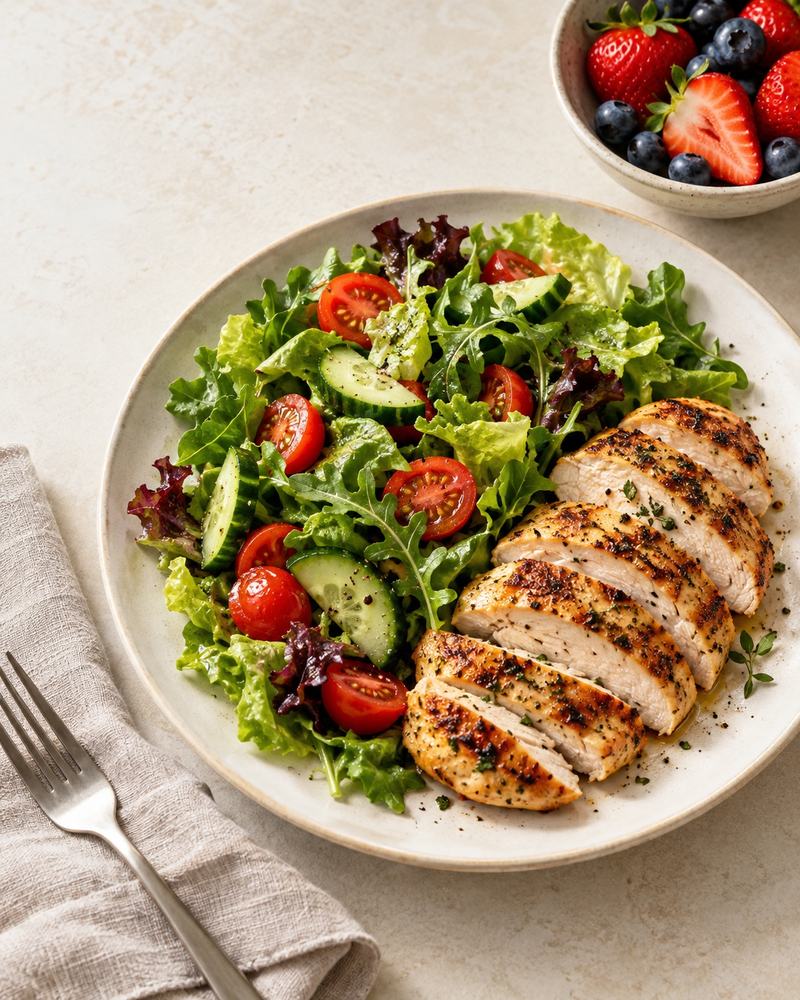
A simple menu is fruit for breakfast, lemon chicken with salad for lunch and a smaller portion of the same main dish for dinner, adjusted to your needs.
Recipes: Lemon chicken and Baked fish with vegetables.
Starch day: rice, potatoes and pulses
The second day includes beans, lentils, chickpeas, rice, potatoes and other starchy foods. Lentil stew, vegetable rice and baked potatoes offer different ways to plan a meat-free meal.
Check stock cubes and ready-made sauces if your dish is meant to be plant based. Portion size still matters: adding several large starchy sides to the same meal changes its energy content.
Recipes: Red lentil stew and Vegetable rice.
Carbohydrate day: pasta, pizza and desserts
The third day commonly includes pasta with tomato sauce, vegetable pizza and other dishes made without meat, eggs or dairy in the model used here. Read the ingredients on packaged pasta and dough: some contain egg or milk.
Some versions include a small dessert and chocolate in the evening. That is a convention of the diet, rather than a nutritional requirement. It does not make unlimited sweets compatible with a weight-loss goal.
Recipes: Pasta with tomato sauce and Vegetable pizza without cheese.
Vitamin day: fruit, vegetables and nuts
The fourth day is also called fruit day. The version described on this site includes vegetables and moderate amounts of raw nuts alongside fruit. Other versions may restrict combinations differently.
Prepare food before leaving home. Fruit salad and washed, chopped vegetables are easy to pack. Pay attention to the quantities of nuts and dried fruit. A smoothie also contributes to your food intake; several large sweetened drinks are not equivalent to a small fruit portion.
Recipes: Fruit salad with walnuts and Apple and spinach smoothie.
Water day: timing and limitations
Some versions schedule water days on days 29, 58 and 87, without the usual meals. The Android app description includes an option to include or skip water day.
Water fasting should not be presented as proven detoxification. NCCIH reports a lack of convincing evidence for detox diets and notes possible adverse effects of fasting. NCCIH
Seek individual advice before a restrictive diet if you have a medical condition, take medication, are pregnant or breastfeeding, or have a history of an eating disorder. A calendar organises dates; it cannot decide whether fasting is appropriate for you.
Rina diet food list and table
Use this table as an orientation to the version described here. For mixed dishes, include sauces and toppings when checking ingredients.
| Food | Usual place in the plan | Check |
|---|---|---|
| Chicken, fish, eggs | Protein day | Coatings, sauces and sides |
| Cheese, yoghurt, cottage cheese | Protein day | Additions and combination rules |
| Tofu | Plant-based protein option | Marinade and other ingredients |
| Beans, lentils, chickpeas | Starch day | Meat, butter or cream in the recipe |
| Rice, potatoes, peas, corn | Starch day | Portion and preparation |
| Pasta and vegetable pizza | Carbohydrate day | Egg or milk in dough; cheese toppings |
| Fruit | Fruit breakfast and vitamin day | Sweeteners and quantity |
| Raw nuts and dried fruit | Vitamin day in this version | Salt, sugar coatings and portion |
| Tomatoes, cucumber, leafy salad | Vegetable additions | Dressings and extras |
| Quinoa and mixed grain products | Depends on the version | Check the actual rule, not protein content alone |
- Food
- Chicken, fish, eggs
- Usual place in the plan
- Protein day
- Check
- Coatings, sauces and sides
- Food
- Cheese, yoghurt, cottage cheese
- Usual place in the plan
- Protein day
- Check
- Additions and combination rules
- Food
- Tofu
- Usual place in the plan
- Plant-based protein option
- Check
- Marinade and other ingredients
- Food
- Beans, lentils, chickpeas
- Usual place in the plan
- Starch day
- Check
- Meat, butter or cream in the recipe
- Food
- Rice, potatoes, peas, corn
- Usual place in the plan
- Starch day
- Check
- Portion and preparation
- Food
- Pasta and vegetable pizza
- Usual place in the plan
- Carbohydrate day
- Check
- Egg or milk in dough; cheese toppings
- Food
- Fruit
- Usual place in the plan
- Fruit breakfast and vitamin day
- Check
- Sweeteners and quantity
- Food
- Raw nuts and dried fruit
- Usual place in the plan
- Vitamin day in this version
- Check
- Salt, sugar coatings and portion
- Food
- Tomatoes, cucumber, leafy salad
- Usual place in the plan
- Vegetable additions
- Check
- Dressings and extras
- Food
- Quinoa and mixed grain products
- Usual place in the plan
- Depends on the version
- Check
- Check the actual rule, not protein content alone
“Neutral vegetables” is a term used within the diet, not a separate scientific food group.
Choose a start date and follow the rotation
Choose a date that fits your routine and shopping. Prepare the ingredients for your first few meals.
Use the calendar in the app to follow the sequence. Already started? Enter your actual start date and keep the water-day setting consistent with your chosen version.
If you miss a day, record the change and keep one consistent plan. Do not compensate with extra fasting.
Results, advantages and limitations
A clear sequence can make meal planning easier. The limitation is that day-specific rules can also make food choice and variety harder. There is no reliable number of kilograms that everyone will lose in 90 days.
See the before-and-after photos. Record your weight in the app to follow your own progress over time. Review portions, drinks and additions when assessing your routine.
Seek help if you are unsure how to assess a plateau or have symptoms. Increasing restriction is not an appropriate response to every problem.
When does weight loss start on the 90-day diet?
There is no single starting point for everyone. Following the day sequence alone does not determine weight change: portions, activity and individual circumstances also matter. Record your weight once a week and look at the trend over several weeks. If it does not change, review portions, sauces and drinks instead of adding fasting days.
A table for your own progress
Use the table to record your own measurements. You can also view the before-and-after photos.
| Date | Weight (kg) | Note |
|---|---|---|
| Enter a date | Your measurement | Changes in meals or activity |
- Date
- Enter a date
- Weight (kg)
- Your measurement
- Note
- Changes in meals or activity
The 90-day diet app lets you record weight and body measurements and view charts of the changes.
Eating after the 90 days
Review which habits you can keep: planning meals, cooking at home and moving regularly. Returning to earlier portions and routines can affect the result. The end of the programme does not guarantee protection from weight regain.
Longer-term support and a maintenance plan are part of a sound approach to weight management. NIDDK
Follow the 90-day plan on your phone
Follow the rotation and plan meals with recipes on your phone. Record your weight in the app; the Android version also lets you track measurements and view graphs. If you have already started the diet, use your actual start date.
Download for Android · Download for iOS · Download from AppGallery · Explore the app features
Common questions
Before you begin.
Answers to the questions that often come up when planning the first cycle.
Do I have to count calories?
The diet descriptions generally do not require daily counting. Total intake still matters; following the correct day does not remove the effect of portions.
Can I eat sweets?
Some versions include dessert on carbohydrate day. Use the quantity and ingredients appropriate to your plan rather than treating sweets as unlimited.
Can I follow it as a vegetarian?
Plant-based dishes are possible. Choose consistent substitutions and seek advice if restrictions make meeting your individual needs difficult.
Is water day compulsory?
The site and Android app allow it to be skipped. That option does not establish whether the rest of the diet suits your health.
What if I break the diet or want to repeat it?
Record changes and choose an achievable plan. Repeating a restrictive cycle or extending fasting is not automatically necessary. Discuss your circumstances if you need help deciding how to continue.
What should I check before starting?
Read the rules, plan a few meals and review the limitations. Get individual advice where your health or nutritional needs require it.
Your plan, wherever the day takes you.
Follow the calendar and choose tomorrow's meals on your phone.